

Foam tape is a versatile and widely used adhesive product that has found its way into numerous industries and everyday applications. From construction and automotive to handicrafts and home improvement, its ability to bond various materials together provides a reliable solution for many bonding needs. As a foam tape supplier, I often receive questions from customers about the long - term performance of foam tape, particularly whether it loses its stickiness over time. In this blog post, I'll delve into the factors that can affect the stickiness of foam tape and how to maintain its adhesive properties.
Understanding the Basics of Foam Tape Adhesion
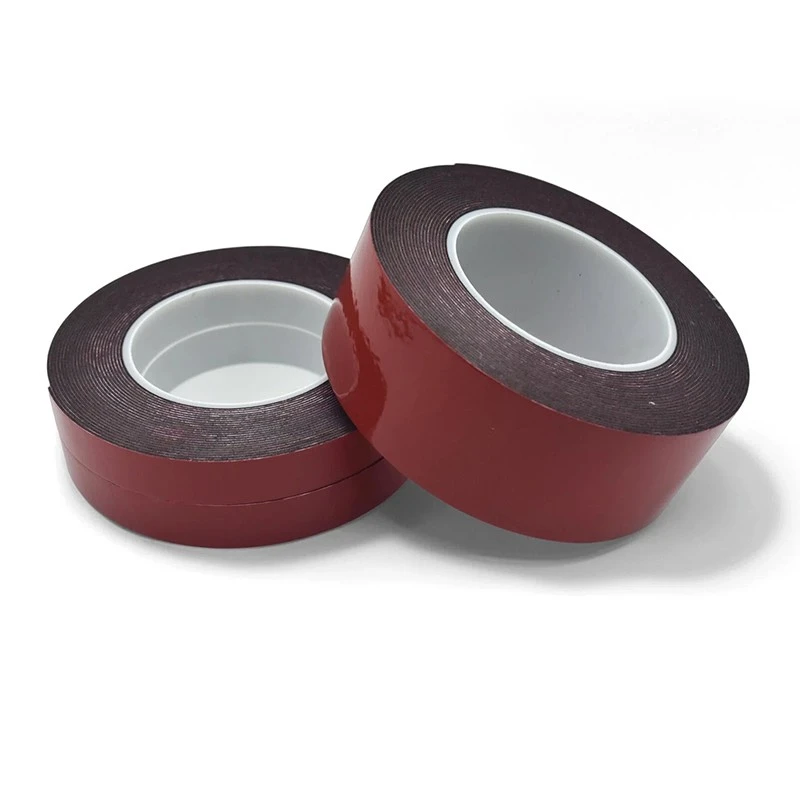
Foam tape typically consists of a foam core with an adhesive layer on one or both sides. The adhesive can be made from different materials, such as acrylic, rubber, or silicone, each offering unique properties in terms of bonding strength, temperature resistance, and flexibility. The stickiness, or adhesion, of foam tape is determined by several factors, including the type of adhesive, the surface it's applied to, and the environmental conditions it's exposed to.
When foam tape is first applied, the adhesive molecules interact with the surface molecules of the materials being bonded. This interaction creates a bond that holds the materials together. However, over time, various factors can disrupt this bond and cause the tape to lose its stickiness.
Factors Affecting the Stickiness of Foam Tape
1. Age and Shelf Life
Like all adhesive products, foam tape has a limited shelf life. The adhesive can gradually degrade over time, even when stored properly. Most manufacturers recommend using foam tape within a certain period, usually between 12 to 24 months from the date of manufacture. As the tape ages, the chemical structure of the adhesive may change, reducing its ability to form strong bonds.
For example, acrylic adhesives are known for their long - term stability, but they can still experience some degradation over extended periods. Rubber - based adhesives, on the other hand, may be more prone to aging and can lose their stickiness more quickly.
2. Temperature and Humidity
Temperature and humidity are two of the most significant environmental factors that can affect the stickiness of foam tape. Extreme temperatures can cause the adhesive to expand or contract, leading to a loss of adhesion.
High temperatures can make the adhesive softer and more fluid, reducing its ability to hold a bond. For instance, in hot climates or industrial applications where the tape is exposed to high heat, the adhesive may start to melt or flow, causing it to lose its grip. On the other hand, low temperatures can make the adhesive brittle and less flexible, which can also result in a weak bond.
Humidity can also have a negative impact on foam tape adhesion. Moisture can penetrate the adhesive layer and break down the chemical bonds, reducing the stickiness of the tape. In high - humidity environments, the tape may absorb water, causing it to swell and lose its adhesion.
3. Surface Conditions
The surface to which the foam tape is applied plays a crucial role in its adhesion. If the surface is dirty, oily, or uneven, the adhesive may not be able to form a strong bond. Dust, dirt, and grease can act as a barrier between the adhesive and the surface, preventing proper contact and adhesion.
For example, if you're using Automotive Acrylic Foam Tape on a car body that hasn't been properly cleaned, the tape may not stick well, and over time, it will likely lose its adhesion. It's essential to clean and prepare the surface before applying the foam tape to ensure optimal adhesion.
4. UV Exposure
Exposure to ultraviolet (UV) rays from the sun can also cause foam tape to lose its stickiness. UV rays can break down the chemical bonds in the adhesive, leading to a decrease in adhesion. This is particularly a concern for outdoor applications, where the tape is exposed to sunlight for extended periods.
Some foam tapes are designed with UV - resistant adhesives to mitigate this issue. However, even UV - resistant tapes can still experience some degradation over time, especially if they're exposed to intense sunlight.
How to Maintain the Stickiness of Foam Tape
1. Proper Storage
To ensure the long - term performance of foam tape, proper storage is essential. Store the tape in a cool, dry place away from direct sunlight and extreme temperatures. Keep the tape in its original packaging to protect it from dust and moisture.
When storing the tape for an extended period, make sure to check the expiration date and rotate your stock to use the oldest tape first.
2. Surface Preparation
As mentioned earlier, surface preparation is crucial for achieving strong adhesion. Before applying the foam tape, clean the surface thoroughly with a suitable cleaner to remove any dirt, grease, or dust. For best results, use a lint - free cloth to wipe the surface dry.
If the surface is rough or uneven, it may be necessary to sand it or use a primer to create a smooth, even surface for the tape.
3. Environmental Considerations
In environments where temperature and humidity are extreme, choose a foam tape that is specifically designed to withstand these conditions. For high - temperature applications, consider using High Temperature Double Sided Foam Tape. For outdoor applications, look for tapes with UV - resistant adhesives.
If possible, try to control the environmental conditions around the bonded area. For example, in a manufacturing facility, use climate - control systems to maintain a stable temperature and humidity level.
Our Foam Tape Products
As a foam tape supplier, we offer a wide range of high - quality foam tapes to meet the diverse needs of our customers. Our Removable Double Sided Foam Tape is perfect for applications where you need to remove the tape without leaving any residue. It's commonly used in mounting pictures, posters, and other lightweight items.
Our Pe Foam Double Sided Adhesive Tape is known for its excellent cushioning and shock - absorption properties. It's often used in electronics and automotive applications to protect delicate components from vibrations and impacts.
For industrial applications, our Industrial Double Sided Foam Tape provides a strong and reliable bond for heavy - duty materials. It can withstand high stress and harsh environments, making it a popular choice in the manufacturing and construction industries.
Conclusion
In conclusion, foam tape can lose its stickiness over time due to various factors such as age, temperature, humidity, surface conditions, and UV exposure. However, by understanding these factors and taking appropriate measures to maintain the tape, you can ensure its long - term performance and reliability.
If you're in need of high - quality foam tape for your project, we're here to help. Our team of experts can assist you in selecting the right type of foam tape for your specific needs. Whether you're working on a small DIY project or a large - scale industrial application, we have the solution for you. Contact us to discuss your requirements and start a procurement negotiation.
References
- Adhesive Tape Manufacturers Association. "Adhesive Tape Technology Handbook."
- Park, S. H., & Xing, C. (2018). "Effect of environmental factors on the performance of pressure - sensitive adhesives." Journal of Adhesion Science and Technology.