

Aluminum foil tape is a versatile and commonly used product in various industries, including construction, electrical, and HVAC. As a leading supplier of high - quality aluminum foil tape, I often receive questions about its shelf life. In this blog, I will explore the factors that affect the shelf life of aluminum foil tape, provide general estimates, and offer tips on how to store it properly to extend its usability.
What is Aluminum Foil Tape?
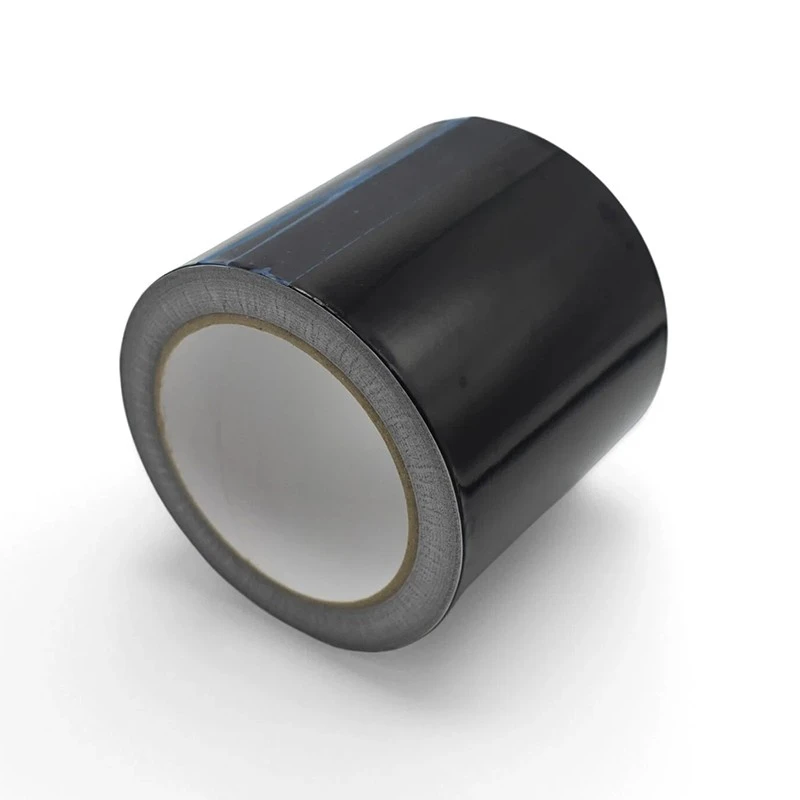
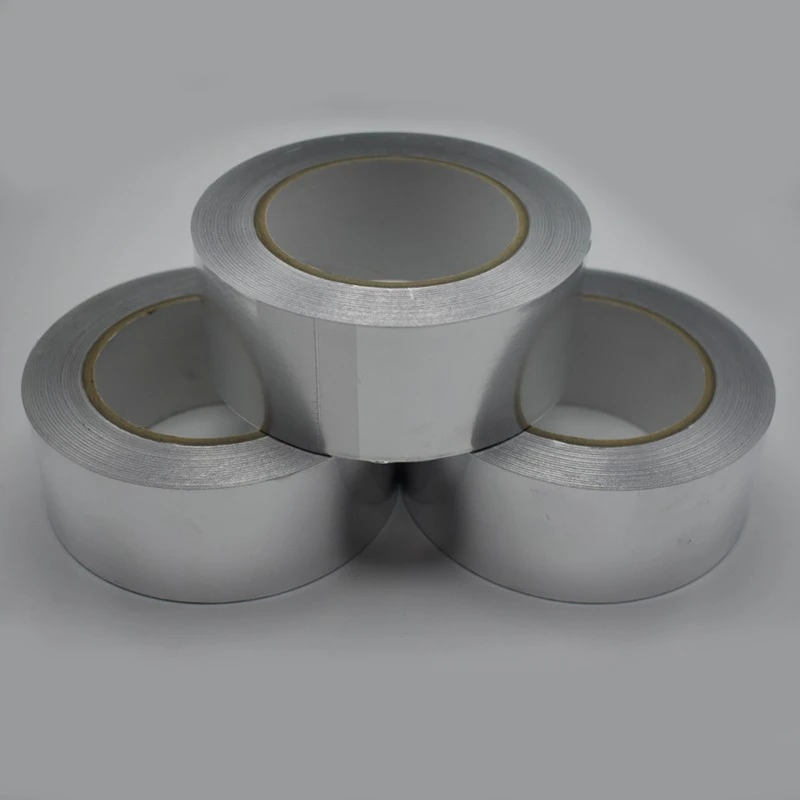
Before delving into the shelf - life topic, let's briefly review what aluminum foil tape is. Aluminum foil tape consists of an aluminum foil backing with an adhesive layer. The aluminum foil provides strength, durability, and resistance to moisture, heat, and certain chemicals. The adhesive is designed to bond the tape firmly to different surfaces. There are different types of aluminum foil tape available on the market, such as Aluminum Heating Duct Tape, Flame - Retardant Aluminum Foil Tape, Fiberglass Aluminum Foil Tape, Aluminum Shielding Tape, and Waterproof Tape Aluminum Foil. Each type is tailored to specific applications, whether it's sealing heating ducts, providing flame resistance in industrial settings, or shielding electrical components from electromagnetic interference.
Factors Affecting the Shelf Life of Aluminum Foil Tape
1. Adhesive Quality
The adhesive is one of the most critical components of aluminum foil tape, and its quality significantly impacts the tape's shelf life. High - quality adhesives are formulated to resist degradation over time. They are less likely to dry out, harden, or lose their tackiness. On the other hand, lower - quality adhesives may start to deteriorate more quickly, reducing the tape's ability to stick effectively. For example, some cheaply made tapes may have adhesives that are prone to oxidation, which can cause the adhesive to become brittle and detach from the foil backing.
2. Storage Conditions
Proper storage is essential for maintaining the integrity of aluminum foil tape. The ideal storage conditions include a cool, dry place away from direct sunlight and extreme temperatures. Exposure to heat can cause the adhesive to soften and ooze, while cold temperatures can make the adhesive brittle. High humidity levels can also contribute to the corrosion of the aluminum foil or the degradation of the adhesive. For instance, if the tape is stored in a damp basement, moisture can seep into the tape, creating a breeding ground for mold and mildew that can damage the tape structure.
3. Packaging
The packaging of aluminum foil tape plays a role in protecting it from external factors. Well - sealed packaging can prevent air, moisture, and contaminants from reaching the tape. For example, tapes that come in a sealed plastic bag or a metal canister are better protected compared to those with loose or damaged packaging. If the packaging is torn or not properly sealed, the tape is more likely to be exposed to the elements, which can shorten its shelf life.
4. Chemical Exposure
Exposure to certain chemicals can accelerate the deterioration of aluminum foil tape. Strong acids, alkalis, and solvents can break down the adhesive and damage the aluminum foil. In industrial environments where the tape may be in contact with chemicals, it is crucial to choose a tape that is resistant to the specific chemicals present. If the tape is exposed to inappropriate chemicals during storage, it can lead to a significant reduction in its shelf life.
General Shelf - Life Estimates
Under optimal storage conditions (cool, dry, and away from direct sunlight), most high - quality aluminum foil tapes have a shelf life of about 1 to 2 years. However, this is just a general estimate, and the actual shelf life can vary depending on the factors mentioned above.
For tapes with a high - performance adhesive, which are designed to withstand more challenging conditions, the shelf life can be extended up to 3 years or even longer. On the other hand, lower - quality tapes may start to show signs of degradation within 6 to 12 months.
It's important to note that even if the tape is past its estimated shelf life, it may still be usable. However, its performance may be compromised. For example, the adhesive may not stick as well, or the aluminum foil may be more prone to tearing.
How to Store Aluminum Foil Tape Properly
1. Temperature Control
Store the tape in an area where the temperature remains relatively stable. A temperature range between 50°F (10°C) and 80°F (27°C) is generally ideal. Avoid storing the tape in attics, garages, or other areas that can experience extreme temperature fluctuations. If possible, use a climate - controlled storage space.
2. Humidity Management
Keep the tape in a low - humidity environment. A relative humidity level of around 40% to 60% is recommended. You can use dehumidifiers in areas with high humidity to maintain the appropriate conditions. If the storage area is prone to moisture buildup, consider storing the tape in a sealed container with a desiccant to absorb any excess moisture.
3. Protection from Sunlight
Direct sunlight can cause the adhesive to break down and the aluminum foil to fade or become brittle. Store the tape in a dark place or use opaque containers to shield it from sunlight.
4. Keep the Packaging Intact
If the tape comes in a sealed package, keep it sealed until you are ready to use it. This will help protect the tape from air, moisture, and contaminants. If the original packaging is damaged, transfer the tape to a new, sealed container.
Testing the Usability of Aged Aluminum Foil Tape
If you are unsure whether an aged roll of aluminum foil tape is still usable, you can perform a simple test. Cut a small piece of the tape and try to stick it to a clean, smooth surface. Press the tape firmly and then try to peel it off slowly. If the tape adheres well and does not leave any residue on the surface, it may still be in good condition. However, if the tape does not stick or leaves a sticky residue, it may be time to replace it.
Conclusion
As a supplier of aluminum foil tape, I understand the importance of providing customers with products that maintain their quality over time. The shelf life of aluminum foil tape is influenced by multiple factors, including adhesive quality, storage conditions, packaging, and chemical exposure. By following proper storage guidelines, you can extend the shelf life of your tape and ensure that it performs effectively when you need it.
If you are in the market for high - quality aluminum foil tape or have any questions about our products, we invite you to contact us for more information and to discuss your specific needs. Our team of experts is ready to assist you in finding the right tape for your application.
References
- "Adhesive Technology Handbook", Third Edition, by John D. Minford
- "Materials Science for Engineers", Seventh Edition, by Carl A. Keyserling